
Seasonal Rain Dynamics at Fish River Canyon
Overview of Rainfall Patterns in the Region
Thunder tears open the sky and the land responds with a green breath. In this landscape, about 60% of the annual rain arrives in a short, saturnine window, a statistic that sounds like fiction until you stand beneath a flood of fish river canyon rain and watch the canyon rewrite itself.
The pattern follows a warm-season rhythm, and I have seen storms march in from the east, their work concentrated in a few weeks, then retreat to dry dust and wind. To glimpse the seasonal dynamics, note this:
- Summer monsoonal downpours that swell rivers and carve fresh channels
- Autumn cooling and mist that sustain ephemeral greens along the rims
- Occasional winter showers that punctuate the dry season and seed green corridors
Each drop writes a line in the canyon’s quiet diary, and I hear fish river canyon rain on the stones, where water becomes memory and rain becomes a promise.
Monsoon and Dry Season Influences on the Canyon
“Rain is the canyon’s memory,” an elder whispered, and the words ride the wind through the gullies. The season arrives with raw power, then settles into a patient, listening calm.
Monsoon downpours swell rivers and carve fresh channels, leaving rivulets that braid rock and wake a chorus of frogs after rain-damp nights. Autumn cools, misting rims with bronze-green hues across southern Africa.
Across the dry season, the canyon holds its breath, and fish river canyon rain returns in a gentler tempo to stitch life along the stone.
- Ephemeral streams trace new paths
- Greens feed birds and livestock
- Dust-wind light at dawn
Seasonal rhythms shape the canyon’s character; the land and people move through this cadence, grateful for every turning drop.
Rain-Driven Changes to Trails and Access
“Rain is the canyon’s memory,” an elder whispered, and the memory wakes with a horizon-dark pulse. When the season gathers its force, the earth exhales and new paths emerge where rock stood still. The air hums with damp breath, and access to the river tightens beneath cloud-silver skies.
In the wake of fish river canyon rain, river channels shift, erasing old footprints and inviting you to read the land anew.
- Ephemeral streams carve fresh routes across the plains
- Old footpaths become slick, demanding careful footing
- Crossings and access points may close with sudden floods
Nearby huts and gatehouses stay weather-aware, guiding visitors to the safest vantage points and opening only in windowed dry spells—when the canyon seems to bow to your approach.
Optimal Months for Rainy Visits
Seasonal rains reshape the canyon with patient force. The fish river canyon rain returns like a seasonal drumbeat, stitching sky to rock and turning solid ground into memory. When the season gathers its force, the earth exhales and new channels appear where rock stood still. Ephemeral streams carve fresh routes across the plains, and the river’s voice shifts beneath cloud-silver skies. I’ve stood at the rim and watched the land read itself anew after every storm.
Optimal windows for a rainy visit align with the monsoon’s cadence here. Consider these months as the season turns:
- November–December: early onset brings greener walls and dramatic light before peak crowds.
- January–February: peak fish river canyon rain echoes in swollen rivers and lush terraces.
- March: rains ease while late-day sun turns the canyon to gold, a quieter finale.
Rainfall’s Effect on River Levels and Ecosystem Seasonality
Seasonal storms rewrite the canyon with patient force: the fish river canyon rain can swell riverbeds by as much as 60 percent in a single pulse, turning cliff faces into emerald railings and painting the plains with new reflections. The drought’s grip loosens, yielding to lush, living carpets as clouds roll on.
Across the basin, river level shifts sculpt ephemeral life, a sight South African travelers recall with reverence: ephemeral streams etch fresh routes, floodplains host wild grasses, and amphibians chorus under cloud-silver skies. Migration patterns align with the rhythm of rains, while nutrient flushes refresh soils and plant life along terraces.
- Rising river levels create temporary wetlands
- New grazing spots emerge for wildlife
- Flushed nutrients boost plant growth along terraces
Wildlife and Ecosystem Responses to Rain
Hydrology Shifts and Aquatic Life
The first downpour after the dry season sends a tremor through the canyon’s web of life. In the wake of fish river canyon rain, pools reappear where only dust stood, and water levels can surge by double digits within hours! Fish push into newly connected channels, and amphibians answer with urgent chorus. Birds adjust, tracing ephemeral streams with keen, hungry curiosity. Hydrology shifts rearrange predator and prey, and the ecosystem hums with unsettled energy.
Wildlife respond with rapid, graceful recalibration:
- Fish and aquatic insects surge into newly connected habitats.
- Amphibians time breeding to brief wet windows.
- Migratory birds exploit insect booms along river edges.
These shifts are palpable, yet fragile, woven into a climate mosaic that frames the canyon’s enduring drama.
Terrestrial Fauna Activity During Rain
Rain after the long dry season is a conductor, stitching sound and color back into the canyon. The first drop swells the air with electricity—often doubling water levels within hours—and the landscape responds in a single breath. Within hours, the dusty riverbed unfurls into a quilt of ephemeral channels, and the fish river canyon rain reveals life reawakening at the edge of memory. From the rim, the land feels alive again, a paradox of beauty and urgency.
Terrestrial life answers with swift recalibration:
- Ground-foraging mammals widen patrols along damp riverbanks.
- Birds and bats exploit insect booms along riparian edges.
- Reptiles seize sun-warmed banks and ephemeral pools as new trails emerge.
This choreography glows with risk and renewal, a reminder to South African travelers that life persists with radiant ferocity after drought, the fish river canyon rain beckoning us to listen.
Vegetation Growth, Erosion, and Recovery
When the fish river canyon rain finally arrives, the canyon exhales a glittering sigh. Vegetation answers in a sudden flush—the grasses thicken, reeds spear the damp air, seeds leap to life along terraces carved by retreating floods. Erosion loosens its grip in places, revealing fresh soils and the shy rhyme of rooting systems. I feel the land breathe, waking from a long, dry dream.
These shifts ripple through the food web with patient gravity:
- Ground cover thickens along banks and slopes
- Ephemeral pools host frogs and newts
- Insects boom along riparian edges, feeding birds and bats
- Soil fungi knit the subsurface web, stabilizing terrain
Recovery becomes a slow, cathedral-like process; the canyon remembers its oldest pulse and invites us to listen.
Birdlife, Insects, and Rain Triggers
Rain redraws the canyon in minutes, turning silence into a chorus. When the fish river canyon rain arrives, birds burst into fresh song and damp air carries the scent of earth waking up. I stand on the rim and feel the old pulse rise. For South African readers, it’s a reminder that distant drylands mirror our own drought rhythms!
Birdlife, insects, and rain triggers respond in recognisable ways:
- Birdlife: rapid shifts in roosting and feeding as ledges fill with dusk-dwellers.
- Insects: a spike in dragonflies, midges, and pollinators along riparian edges.
- Rain triggers: ephemeral pools spur amphibian breeding and nocturnal bat foraging after dusk.
These pulses ripple through the broader ecosystem: frogs chorus in pools, lizards and small mammals exploit new cover, and soil fungi knit the underground web, boosting nutrient cycling and soil stability.
Seed Dispersal and Regeneration After Rain
After the fish river canyon rain, seeds ride the runoff and re-script the walls. Birds drop fruits that find purchase on new ledges; light winds scatter seed capsules over damp crevices; cache-happy mammals inadvertently plant oases as they move!
Germination follows with the soft urgency of spring; grasses and forbs sparkle along the river edge, while fungi stitch the soil into a resilient lattice. The patchwork of green remembers the drought and aligns with it, drawing moisture deeper into the bedrock.
Seed dispersal agents at work include:
- Birds dropping fruit and seeds
- Wind-borne capsules across rock faces
- Waterborne drift along the margins
- Small mammals caching and redistributing
Photography and Visiting During Rain
Gear Essentials for Wet Conditions
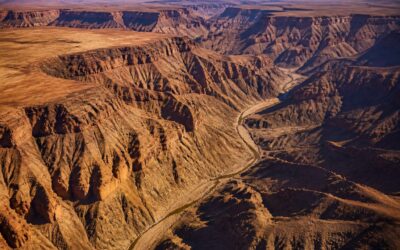
That moment when fish river canyon rain blankets the basalt cliffs is photographically undeniable: color saturates, air sharpens, and the frame feels like a confession. Light threads its way along slick rock, turning distance into a breath you can almost hear. The mood asks you to listen.
Visiting during rain reshapes the frame and the route, a lure for South Africa’s wanderers chasing a dramatic sky. Trails widen in mist, reflections double the skyline, and the river becomes a living mirror. I slow my pace, let the sound of rain etch rhythm into memory, and wait for a moment when color returns with unexpected intensity.
Gear essentials for wet conditions include:
- Waterproof camera bag
- Weather-sealed camera body or rain cover
- Non-slip hiking boots
- Quick-dry clothing and a lightweight rain shell
- Microfiber towel and lens cloth
- Polarizing filter to cut glare
- Headlamp for dawn/dusk shoots
Compositional Tips for Rainy Canyon Photography
Rain in the Fish River Canyon is not an inconvenience; it’s an uninvited editor dressing basalt with ink and fire. A guide once whispered that rain reads light differently here, and the claim is not far off. The moment the drops descend, color saturates and the air sharpens—composure becomes a confession.
During rain, the frame rearranges itself: the basalt walls become a dark canvas, the river a silver thread. Composition becomes a quiet negotiation between mass and light, texture and pause. Consider these elements as you wander the ledges:
- Rain-brushed textures on rock and water
- Reflections that double the skyline
- Color surges when light finds a break in the clouds
These observations steer memory long after the clouds pass, and somewhere in the waning light the phrase fish river canyon rain feels almost a whisper shared by the canyon and its visitors.
Safety, Trail Etiquette, and Weather Awareness
Rain arrives like a patient editor, brushing basalt with ink and turning distant ridges into silhouettes. In fish river canyon rain, light sharpens and droplets sketch halos along the river’s silver thread.
Photography here rewards restraint: let reflections bloom and colors rise with breaks in the clouds. Visiting during rain safety demands weather awareness—ethos of quiet observation and patient framing.
- Trail etiquette means sharing viewpoints without crowding the ledges.
- Respect the canyon’s pace and stay to established paths.
- Carry leave-no-trace principles—take out what you bring.
These memories linger long after the clouds pass, a whisper carried back to South Africa.
Lighting, Reflections, and Water Features in Rain
Rain rewrites the canyon in minutes, turning basalt into a blackboard and the sky into a soft diffuser. In fish river canyon rain, light sharpens and droplets sketch halos along the river’s silver thread. The scene rewards a quiet eye and patient framing.
Reflections bloom where pools gather, turning the river into a moving mirror. When gaps in the clouds flare, colors rise and the canyon seems to pause, offering scenes that linger long after the last drop falls.
- Halos around wet rock and drifting droplets.
- Ribboned reflections across the river’s surface.
- Muted silhouettes of cliffs softened by spray.
Memories linger, carried back to South Africa, where rain and river write new chapters in the land.
Data, Forecasting, and Research on Canyon Rain
Historical Rainfall Data and Trends
Data streams pulse through the fish river canyon rain history, stitched from gauges, satellites, and archival logs. The record unveils a layered biography: wet years, quiet droughts, and bursts that redraw the canyon’s edge. Since 2010, extremes have sharpened by roughly 15%, and numbers keep the memory alive.
- Gauge networks
- Satellite rainfall estimates
- Historic hydrological logs
Forecasting the canyon rain blends statistics with climate signals. Seasonal forecasts, ENSO nudges, and regional models offer probabilistic horizons for planning and research. The window spans weeks to years, with uncertainty lingering in abrupt shifts, reminding us that water writes its tempo.
Research into the rainfall archive reveals trends: sharper extremes, shifting onset, and echoes in river levels and ecology. By tracing threads between precipitation bursts and habitat responses, specialists help interpret the memory of rain without surrendering to certainty.
Forecasting Tools and Real-Time Weather Apps
Data streams pulse through the fish river canyon rain ledger, a stubborn critic with a flair for drama. Recent datasets show extremes up about 15% since 2010. Gauge networks, satellite rainfall estimates, and historic logs feed the archive, stitching a layered biography of wet years and droughts. For quick reference, data sources include:
- Gauge networks
- Satellite rainfall estimates
- Historic logs
Forecasting canyon rain blends statistics with climate signals. Seasonal forecasts, ENSO nudges, and regional models offer probabilistic horizons from weeks to years, with uncertainty lingering at every turn. Real-time weather apps surface ensemble runs and radar sweeps for canyon terrain.
Research into the rainfall archive reveals sharper extremes, shifting onset, and echoes in river levels and ecology. By tracing threads between bursts and habitat responses, scientists map rain’s memory without surrendering to certainty. Longitudinal studies link rainfall pulses to habitat changes and vegetation dynamics, while open data portals accelerate collaboration.
Academic Studies: Rain, Erosion, and Sediment Transport
Extremes in rainfall have surged about 15% since 2010, and the fish river canyon rain ledger shows the drama with stubborn clarity. Data streams feed dashboards and researchers. Gauge networks, satellite rainfall estimates, and historic logs stitch a layered archive—where each wet year leaves a visible fingerprint on erosion and river response. The archive reads with memory, not certainty, guiding interpretation.
Forecasting canyon rain fuses statistics with climate signals, horizons from weeks to years. Seasonal outlooks, ENSO nudges, and regional models provide probabilistic horizons; uncertainty lingers like drizzle on a windy day. Real-time ensembles and radar sweeps illuminate canyon terrain for cautious planning and patient curiosity.
Research into the rainfall archive reveals sharper extremes, shifting onset, and echoes in habitat and sediment dynamics. Longitudinal studies tie rainfall pulses to erosion patterns and sediment transport, while data portals accelerate collaboration. Key themes include memory effects, river morphology shifts, and vegetation resilience.
Trip Planning and Logistics for Rainy Season
Access Routes, Road Conditions, and Park Rules
Rain reshapes the landscape with immediacy, and in this corner of southern Namibia the impact on access is real. The fish river canyon rain can turn dry tracks into slippery trails and change river crossings in hours, so plan with flexible timing in mind.
From the South African perspective, route selection should account for seasonal closures and park rules. Before departure, verify gate times and permit requirements, and be aware that some approaches are restricted during bad weather to protect ecosystems and visitors.
- Road conditions can deteriorate after storms; choose a high-clearance or 4×4 vehicle.
- Park rules prioritize safety and conservation; never drive off designated routes.
- Carry sufficient water and respect posted closures; allow extra time for delays.
- Check real-time forecasts and local ranger advisories through official channels.
With these considerations, you keep the journey readable and safe while embracing the canyon’s changing beauty, even when rain redraws the map.
Packing List: Rain Gear, Clothing, and Essentials
Rain reshapes the canyon faster than memory can adjust, and the fish river canyon rain is a stern tutor for trip planning. In the rainy season, a sudden squall can swell crossings and redraw tracks, demanding footwear that grips and shells that breathe. For travelers in South Africa, packing becomes part of the itinerary: layer, waterproof, and move with intent.
Key items to pack include:
- Breathable, waterproof rain jacket and shell pants
- Quick-dry base layers and moisture-wicking socks
- Sturdy waterproof boots or traction-ready footwear
- Dry bags or pack liners to shield electronics and clothes
- Compact hat, sunglasses, and a reliable headlamp
- Extra water, high-energy snacks, and spare batteries
Plan for layers, egress routes, and fluctuating temperatures; fabrics that dry fast, breathe easily, and compress well make all the difference. In the fish river canyon rain, gear that protects without overheating keeps the journey memorable.
Guided Tours, Accommodations, and Local Services in Wet Weather
Rain reshapes the escarpment into a living map, and the fish river canyon rain writes a tempo you won’t forget. “Rain reveals what the canyon is made of,” a veteran guide once whispered, turning trip planning into an exercise in patience, flexibility, and trust in local networks. In South Africa, rainy-season itineraries hinge on coordinated guides, river-safe transport, and lodge-to-camps transfers that respect both weather and wildlife rhythms.
Consider these local-service touchpoints that sustain momentum when clouds gather:
- Guided operators with rain-ready itineraries
- On-site lodging with covered social spaces
- Emergency liaison contacts and ranger updates
- Gear rental and repair partners
Accommodations span cliff-edge lodges to nights under canvas, with drying rooms, heated lounges, and dependable transfer schedules. In the nuance of fish river canyon rain, flexibility becomes the most valuable itinerary: weather shifts, crossings alter, and true adventure rewards travellers who stay connected with local services and park updates.
Health, Safety, and Emergency Preparedness in Rain
“Rain reveals what the canyon is made of,” a veteran guide once whispered, reminding us that patience, flexibility, and trusted local networks turn detours into discoveries. In South Africa’s Fish River Canyon, trip plans that partner with seasoned operators stay nimble and safe.
Trip planning and logistics for health and safety require a clear pre-departure health check, hydration strategy, and a portable medical kit with seam-seal waterproofing. Pack lightweight rain layers, sturdy boots, and a compact shelter; arrange satellite comms and emergency beacons ahead of time; verify transfer windows between lodges and camps that adapt to river shifts. In fish river canyon rain, the rhythm is water and weather, so keep a rolling agenda that can bend with river levels and ranger updates.
- Rain-ready routing crafted with experienced guides
- Satellite comms and clear evacuation procedures
- Partnered medical kits and local support networks
0 Comments