
Fish River Canyon Malaria SEO Outline
Understanding Malaria Risk in Fish River Canyon
Malaria claims hundreds of thousands of lives worldwide each year, and the landscape around Fish River Canyon isn’t immune. For readers in South Africa, the phrase fish river canyon malaria isn’t trivia—it’s a reminder that even breathtaking gorges host invisible guests.
Understanding the risk means looking at geography, climate, and the annual drumbeat of mosquito activity. In this region, warm, wet seasons turn breeding grounds into a reminder that risk shifts with the weather. Here are elements that shape exposure:
- Seasonal rainfall patterns
- Altitude and microclimates
- Vector presence and behavior
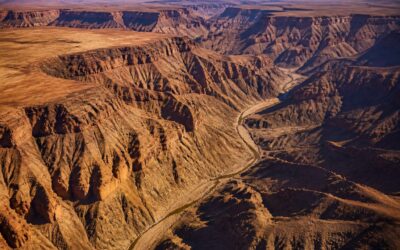
The fish river canyon malaria narrative is less doom and more context—reading the land as a map of unseen travelers. The canyon says beauty can coexist with caution, and data can become pictures for professionals and travelers alike.
Prevention Strategies for Malaria Safety
Malaria costs Africa hundreds of thousands of lives each year, and the view at Fish River Canyon doesn’t erase that risk. The phrase fish river canyon malaria isn’t trivia here—it’s a reminder that even spectacular gorges contend with invisible guests. Risk hinges on geography, climate, and the mosquito rhythm!
Prevention here leans on context—a SEO-friendly framing: align travel with seasonal patterns, trust altitude-driven microclimates, and anticipate how vector presence shifts with weather.
- Seasonal patterns guide exposure windows
- Microclimates shape where water and shade meet
- Vector behavior informs when and where risk rises
A measured frame treats the risk around the canyon as a signal, not a verdict, guiding how to engage with local health networks and monitoring in real time.
Travel Planning for Malaria Safety
Shimmering heat threads the air above Fish River Canyon, where the view is a song and the unseen guest is present. Across Africa, malaria steals a life every two minutes, a statistic that tightens the breath of any traveler. fish river canyon malaria isn’t trivia here—it’s a reminder that even gorges harbor invisible guests.
Planning becomes romance when you choreograph your visit to the land’s seasons and altitudes. I pace the rim at dawn and feel the canyon breathe. Align dates with cooler mornings and dry spells, read the canyon’s microclimates where water and shade intersect, and map how mosquitoes drift with weather.
- Seasonal exposure windows
- Microclimates meeting water and shade
- Vector behavior shifts with weather
Engagement with local health networks and real-time monitoring turns curiosity into care. The journey from South Africa unfolds more gracefully when you honor the land’s rhythm and stay curious about its quiet sentinels.
Response and Care in Malaria Situations
Two minutes—one life lost to malaria across Africa—shapes the way I stand on the edge of Fish River Canyon. fish river canyon malaria is not trivia here; it is a quiet whisper carried by the wind, a hum that asks for respect as I drink in the canyon’s vast, shimmering quiet.
I lean into local networks and real-time monitoring, turning curiosity into care. The canyon reveals its rhythm to travelers who listen: seasonal exposure windows and microclimates where water and shade meet guide our pace.
- Seasonal exposure windows
- Microclimates meeting water and shade
Care in malaria situations means acknowledging the land’s unseen sentinels and moving with it, not against it. I walk the rim with a patient heart, letting the wind, light, and distant roar teach restraint and wonder!
0 Comments