
Native Fish Species of the Grand Canyon
Humpback Chub: The Endemic Survivor
Fewer than 1,000 adult humpback chub remain in the wild, a sobering figure for any conservationist. This endemic fish has persisted in the Colorado River’s Grand Canyon for millennia, yet its future hangs on careful management.
Unlike flashier species, the humpback chub earns its survival through subtle anatomy. That pronounced hump redirects fast currents, allowing the fish to hold position in turbid rapids where introduced trout struggle. I find this quiet resilience rather admirable.
- Prefers warm, silty tributaries for spawning
- Eats insects, algae, and small invertebrates
When you study fish in colorado river grand canyon, the humpback chub stands out as a testament to evolutionary refinement, not because it dominates, but because it endures.
Razorback Sucker and Flannelmouth Sucker
Two native suckers share this ancient river with the humpback chub, yet each takes a different path. The razorback sucker once ranged across the entire Colorado River system. Today, it survives in isolated pockets, its namesake keel slicing through warm, slow waters where few other fish can manage.
The flannelmouth sucker, less celebrated but equally ancient, thrives in the mainstem and tributaries alike. Its fleshy lips allow it to graze algae and benthic insects from river stones. When I study fish in colorado river grand canyon, I notice how these two species partition the river.
- Razorback sucker: keel-backed, prefers broad backwaters
- Flannelmouth sucker: fleshy lips, holds in swifter runs
Both have endured dam induced habitat changes, yet both persist in the wild, overlooked by casual observers and vital to the river’s ecology.
Bluehead Sucker and Bonytail
The bonytail is a ghost in the river. Its thin body and forked tail make it look more like a herring than a freshwater fish. Alongside it, the bluehead sucker works the riverbed with a hard, cartilaginous snout. These two are part of the fish in colorado river grand canyon, yet they rarely appear in photographs.
- Bluehead sucker: holds in rocky riffles
- Bonytail: patrols open channels
I have surveyed these waters for years. The fish in colorado river grand canyon have survived dam releases, temperature shifts, and invasive species. Few people realize that bonytail reintroductions now depend on hatchery stock. The bluehead sucker persists in shaded side canyons where the flow remains cold. Both species remind us that this ecosystem is far more complex than a postcard suggests.
Life Cycle and Habitat Preferences
Every spring, speckled dace migrate short distances to spawn over clean gravel, a ritual that defines their life cycle. These small natives form the quiet majority of fish in colorado river grand canyon, yet they rarely get attention! They prefer swift, shallow riffles with cool temperatures, while roundtail chub opt for deeper pools and eddies.
Their reproductive timing tracks the river’s natural flow, though dam releases have shifted the schedule. Speckled dace reach maturity in one year and live only three. Roundtail chub can survive over a decade, spawning later in life.
Habitat preferences vary by species:
- Speckled dace: fast water, cobble substrate, thermal refuges
- Roundtail chub: slow runs, rocky cover, deeper pools
These choices determine survival during drought and flood, a delicate balance.
Introduced Species and Ecological Impact
Rainbow Trout and Brown Trout
Rainbow trout were first planted below Glen Canyon Dam in 1965, and the fish in colorado river grand canyon have never been the same. These newcomers and brown trout exploded in numbers, turning a warm, turbid river into a cold, clear tailwater fishery! It is a dramatic shift, one that ecologists still track closely.
For the native species, the trout’s success brings direct costs:
- Juvenile humpback chub and bonytail are eaten by hungry trout.
- Flannelmouth suckers lose out in competition for insect larvae and drifting prey.
- Spawning trout disturb gravel beds, burying native eggs.
Anglers relish the catch, but each rainbow pulled from the water represents a small part of a much larger, ongoing trade-off.
Smallmouth Bass and Channel Catfish
Somewhere upstream, a smallmouth bass patrols a warm eddy. It has no reason to leave. In a river reborn as a trout factory, these warm-water invaders found their windows. Channel catfish, whiskered bottom feeders, rummage through the same gravel that native suckers depend on. The fish in colorado river grand canyon now face a lopsided roster of enemies.
Unlike the trout boom, which at least brought cold-water spectacle, bass and catfish offer nothing but attrition. They are ambush predators and sediment stirrers, rewriting the rules of every pool and eddy:
- Smallmouth bass prey on young chub with casual efficiency.
- Channel catfish displace juvenile flannelmouth suckers from prime feeding spots.
Every angler pulling a catfish from a sandbar celebrates a fight, while ecologists count the quiet losses. For the fish in colorado river grand canyon, the river holds room for everyone except its original tenants.
Competition and Predation Pressures
The fish in colorado river grand canyon endure constant pressure from species that do not belong here. Introduced species enter through bait buckets, boat hulls, and upstream reservoirs. Native species evolved in isolation. They have no defenses against these newcomers.
Predation pressures reshape the food web. Young humpback chub swim into water where non-native predators wait. Competition forces native fish toward marginal habitats. The disparity is clear:
- The endangered humpback chub loses larvae to sight-feeding invaders.
- The flannelmouth sucker competes daily for limited algae.
- The bluehead sucker retreats to shallow riffles to avoid predators.
Each native hatch meets a new wave of predation. For the fish in colorado river grand canyon, the present offers no relief.
Quagga Mussels and Other Invertebrates
Each quagga mussel filters up to a liter of water every day. Multiply that by millions and the entire food base shifts! For the fish in colorado river grand canyon, this invasive invertebrate removes the plankton that native larvae need to survive.
- They consume the bottom of the aquatic food web.
- They clog water intake structures and alter current patterns.
- They accumulate toxins and transfer them to predators.
Other invertebrates like New Zealand mudsnails reproduce rapidly and crowd out native insects. We spot them too late, after populations explode. The ecosystem becomes less diverse and less able to support native fish.
Management Strategies for Invasive Species
Millions of dollars are spent each year to protect fish in colorado river grand canyon from nonnative invaders. Early detection matters most, because once a species establishes, containment becomes difficult. Managers use electric barriers, decontamination protocols, and targeted removals. They also alter water flows to disrupt spawning cycles.
I have seen the difference a rapid response makes. One season, an invasive predator spiked, and crews worked nights to remove them from critical habitats. The strategies are straightforward, but effective. Here is what the front line involves:
- Environmental DNA sampling detects invaders before they bloom.
- Fish ladders and traps remove adults while sparing natives.
- Public outreach prevents accidental transport through gear and bait.
These actions protect native species without heavy chemical use. Adaptive management remains the only realistic path forward.
Prime Angling Locations Along the River
Lees Ferry: The Trout Fishery
Lees Ferry sits at a precise seam in the river, a tailwater born from Glen Canyon Dam’s deep release. Here, the water runs clear and cold, holding a surprisingly robust trout fishery that thrives year-round. As I cast into the current, the absence of summer silt and the steady flow create an almost unnatural clarity.
The river offers distinct zones, each with its own rhythm.
- The riffle below the dam holds fast-water fish.
- The deep, slow pools near the ramp offer sight fishing.
- The long, gravel bars upstream present wading challenges.
For those searching for fish in colorado river grand canyon within a manageable stretch, Lees Ferry provides a magnificent sanctuary. The trout here respond to subtle cues, and the sheer scale of the canyon walls adds a profound silence to every retrieve. It is a place where the chase feels intimate and monumental!
Marble Canyon and Glen Canyon Dam Tailwaters
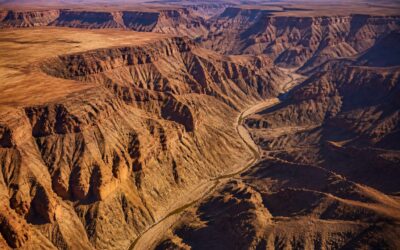
The Colorado River does not simply pass through the Grand Canyon; it carves it, and in doing so, creates a series of aquatic arenas that shift with every bend. Marble Canyon, the river’s first great gash, receives the water that has already plunged through the turbines of Glen Canyon Dam. This section is a corridor of turquoise water set against walls of red sandstone that rise like massive, silent monuments. Here, the current is swift and focused, pushing against boulders that have tumbled from the rim millennia ago.
The Glen Canyon Dam tailwaters offer a unique paradox. The water is unnaturally cold, a constant release from the lake’s depths, which supports a robust population of rainbow trout. Yet, this same stretch is where the river begins its long, warm descent into the desert. As the water travels downstream, the influence of the dam wanes, and the temperature regulation fades. This transition zone is a biological membrane, a place where the cold-water species of the tailwater begin to yield territory.
For anglers seeking a diverse experience, the prime zones are distinct:
- The immediate outflow below the dam, where fast, structured water holds aggressive trout.
- The sheer-walled narrows of Marble Canyon, where mudslides and debris fans create eddies that collect baitfish and larger predators.
These eddies and backwaters are the true secrets of the region. They hold fish that are not constantly fighting the main current, and they provide a moment of stillness in an otherwise roaring landscape. The fish in colorado river grand canyon adapt to these micro-environments, and knowing where the water slows is more valuable than any lure in the box. It is a study in hydrology as much as angling, where the silence is heavier than the water itself.
Phantom Ranch and Inner Gorge
Phantom Ranch sits at a bend where the river slows. The water loses its urgency for the first time in miles, and that patience draws the fish in colorado river grand canyon into the shallows. I have stood on that trail and watched the current split around a boulder.
The Inner Gorge is a different place. The walls close in and the river goes deep, forcing fish into narrow lanes along the bedrock. Anglers must study the current and the shadows to find where the fish hold.
- The eddy below the Phantom Ranch bridge, where the backwash collects drifting insects.
- The undercut ledge on the south wall, where larger fish stay in the shade.
That transition from open canyon to tight gorge changes every cast. It is a place of focused attention, and the river rewards those who watch the surface for the smallest signs.
Lake Mead and the Lower Reach
By the time the river reaches Lake Mead, it has surrendered its wilderness. The water spreads thin and wide, a graveyard of silt and sunken boats. Lake Mead is a reservoir, a human imposition on ancient stone, and the fish in colorado river grand canyon adapt to its strange, fluctuating moods. The warm, turbid water holds a different set of species than the cold tailwaters upstream. This is the realm of the striped bass, which patrol the open water in predatory packs, and the common carp, which root through the muddy bottom like living dredges.
The Lower Reach, below the dam, becomes a different creature entirely. The river narrows and regains its pace, but it is a controlled current, a released breath from the concrete throat of Hoover Dam. The water here is clear and cold, and the fish in colorado river grand canyon find themselves in a corridor of opportunity. The trout that were stocked above struggle, but they survive, while the warm-water species below the dam find the margins more forgiving.
Anglers on this stretch learn to read the river’s pulse.
– The deep pools formed by tailwater surges, where fish hold to escape the current.
– The gravel bars that emerge at low water, creating temporary feeding lanes.
– The seams where the cold release water meets the warmer river flow, a line of tension that attracts predators.
Patience matters here. The shadows of the canyon walls creep across the water with the sun’s arc, and the fish move with those shadows. The reward is not found in the spectacle of the Inner Gorge, but in the quiet persistence of the Lower Reach, where the river’s power is measured in cubic feet per second, not in rapids.
Boat vs. Shore Fishing Access
The river gives up its fish in colorado river grand canyon only to those who respect the difference between a boat and a pair of boots. From a raft, anglers reach the deep eddies below rapid tails, places where the current circles back on itself. Shore access demands another kind of patience. The steep talus slopes and dense tamarisk force walkers to pick their spots with care.
Some stretches reward the shore angler with quiet pools that boats drift past too quickly. Others require a watercraft simply to reach the far bank.
– The confluence of the Little Colorado, reachable by boat or a long hike.
– The gravel runs near Nankoweap Creek, where shore anglers find solid footing.
Boat anglers cover more water in a day. Shore anglers learn the rhythm of a single bend. Both find the fish in colorado river grand canyon holding in the same lies: behind boulders, in the seams, along the drop-offs.
Seasonal Fishing Calendar and Tactics
Spring Runoff and Water Clarity
Spring runoff transforms the fish in colorado river grand canyon. The river swells with snowmelt, and clarity drops to near zero. For anglers, this means trading sight fishing for feel. Trout hug the banks, while native species retreat to eddies and slack water.
Timing is everything. Early mornings often offer a brief window of clearer water before the daily melt surge. When visibility collapses, adapt quickly:
- Use bright or vibrating lures that fish can locate by lateral line.
- Fish deeper runs where the current breaks the silt.
- Target tributary confluences, which bring slightly clearer water.
By June, the runoff tapers and clarity returns. The river flips back to visual presentations, and the fish in colorado river grand canyon become more predictable.
Summer Low Flows and Thermal Refuges
By midsummer, the fish in colorado river grand canyon measure their world in degrees. The glacier of meltwater is gone, and the river runs thin and warm, a slow pulse over sun-bleached stone. I find the trout stacked where cold veins enter the flow, their gills working hard in the silver seams of spring seeps and side creeks.
Thermal refuges become the map. Shaded undercuts, deep plunge pools, and the mouths of tributaries keep the water bearable. For anglers, this changes everything. Fish hold tight to these pockets, and a thermometer becomes more useful than a fly box.
- Shaded undercuts along the north-facing walls.
- Deep plunge pools below collapsing ledges.
- The mouths of cold tributaries, where the water shimmers.
By late afternoon, the river feels like a bath, and the fish in colorado river grand canyon press into the last cool slivers of shade.
Fall Spawning Aggregations
In autumn, the fish in colorado river grand canyon surrender to a binary urgency: spawn or die. Brown trout and migrating rainbows abandon their summer lies, pressing toward shallow gravel bars where the current promises a clean redd.
The tactics of fall are about reading aggression. A streamer stripped through a riffle draws a furious strike from a fish defending its furrow. Egg patterns drifted through tailouts work when visibility is low. I have counted three distinct spawning zones in a single mile.
- The clean gravel below a broken riffle.
- The soft water along an undercut bank.
- The shadowed edge of a deep main channel.
Pursue these aggregations with patience, not entitlement. A fish on a redd is spent on final biology. The fish in colorado river grand canyon arrive with a hollow gut and a demanding instinct. Pull them from that gravel, and you interrupt a matter of life and death!
Winter Slow-Down and Deep Holes
Winter strips the canyon of pretense. The aggressive feeding of autumn collapses into a slow metabolism. The fish in colorado river grand canyon retreat to deep holes where water temperature barely fluctuates and energy expenditure drops to near zero.
I have learned to fish slow in these months. Dead drifting a nymph through the deepest run, letting it tick bottom, is often the only productive approach. The fish are not lazy, they are economical with every motion.
- Focus on the deepest pools below major rapids
- Fish midday when sunlight warms the shallows
- Use weighted flies that reach the strike zone quickly
Winter follows its own calendar. Most anglers abandon the river to the ravens, which is precisely when the fish in colorado river grand canyon become most reachable. Patience replaces aggression as the primary tactic.
Matching Flies and Lures
Seasonal timing dictates how I approach the fish in colorado river grand canyon. Each month changes the river, and my fly box changes with it. Rather than memorizing dates, I read water temperature and insect activity.
In early spring, before the runoff muddies the water, small mayfly patterns drift through tailouts. By late summer, terrestrial patterns like beetles and ants draw strikes along undercut banks. Autumn calls for streamers that imitate baitfish, winter requires slow, weighted nymphs.
- Spring: size 16 to 18 mayfly imitations
- Summer: terrestrial beetles and ants
- Fall: articulated streamers
- Winter: weighted stonefly nymphs
Matching the lure to the calendar takes ongoing observation. I refine my selection weekly, based on what I find in the drift and what the fish are actually taking.
Reading Currents and Structure
Reading the river’s pulse matters more than casting. In the fish in colorado river grand canyon, current seams and eddy lines change with every rise and fall of the gauge. Spring flows push baitfish tight against the banks; summer lows expose cobble bars that were invisible in May. I spend more time watching water than casting. Here is what I look for:
- Spring: current deflections behind boulders
- Summer: shaded undercuts with slow edges
- Fall: gravel bars near faster chutes
- Winter: deep pools with gentle boils
Structure dictates where fish hold, but the calendar dictates how they use it. A trout in April treats a boulder’s wake differently than a bass in September. I adjust my drift angle and retrieve speed based on that relationship, not on a fixed schedule.
Rules, Permits, and Conservation Efforts
Fishing Licenses and Special Permits
Every year, anglers travel thousands of miles for a chance at the fish in colorado river grand canyon. But a valid Arizona fishing license is non-negotiable for anyone 10 or older. A day pass is easy to grab online, though a season license makes sense if you plan multiple trips. Certain stretches, like the Hualapai Nation lands, demand special permits beyond the state license.
Here is what you should sort out before packing your rod:
- Valid Arizona fishing license
- Trout stamp if you target rainbows at Lees Ferry
- Special use permit for tribal waters
- Current copy of the river regulations
Conservation efforts depend on these rules. The native humpback chub and bonytail are protected, so catch and release is critical in many zones. I always check the latest updates, and I recommend you do the same. The fish in colorado river grand canyon need every angler to respect the permits that fund their recovery.
Bag Limits and Gear Restrictions
Bag limits along the corridor function as a conservation contract. Anglers may keep only a handful of trout in certain reaches, while native suckers and chub must return to the water immediately. Gear rules hold equal weight. Barbless hooks are required at Lees Ferry, and many stretches enforce artificial lures only. A few core restrictions apply throughout:
- Use single, barbless hooks in the trout fishery.
- Return all native fish immediately, regardless of size.
- Check the posted daily bag limit at your specific access point.
These measures sustain the fish in colorado river grand canyon. Each season, biologists adjust take limits based on spawning surveys and invasive species control. A modest daily catch keeps the system balanced. Anglers who respect these restrictions become part of the recovery effort, one cast at a time.
Catch-and-Release Best Practices
Every permit sold keeps the river’s native fish alive. The fees fund tagging programs and spawning surveys that track the health of the fish in colorado river grand canyon. Fisheries biologists review catch reports each season and adjust regulations based on hard data. Your license grants access. It also carries responsibility.
Catch and release is the angler’s contribution to that effort. A few deliberate actions determine whether a fish swims away or dies hours later:
- Wet your hands before touching any fish
- Keep the fish in the water while removing the hook
- Support the belly, never pinch the gills
- Face the fish into the current until it swims off
Native chub and suckers deserve this extra patience. Their populations rebuild slowly, so every individual matters. The permits you buy and the care you practice shape the future of the fish in colorado river grand canyon.
Endangered Species Act Protections
The Endangered Species Act casts a long shadow over the river. It protects the humpback chub, the razorback sucker, and other natives whose survival depends on exact flows and water temperature. Regulations shift with each population survey. Anglers targeting fish in colorado river grand canyon must check current seasonal closures before wading in.
A permit is not a receipt. It is a legal pact with the river. Violations bring fines, but the deeper cost falls on endangered populations. The National Park Service, the U.S. Fish and Wildlife Service, and Arizona Game and Fish coordinate enforcement. They monitor spawning grounds and adjust protections annually.
- Use only single barbless hooks in key chub habitats
- Respect seasonal no-fishing zones along the mainstem
- Surrender incidentally caught natives immediately
These rules exist because the fish in colorado river grand canyon face a slow recovery. Every season of compliance buys them another year.
0 Comments